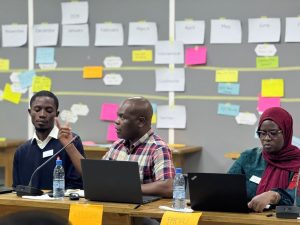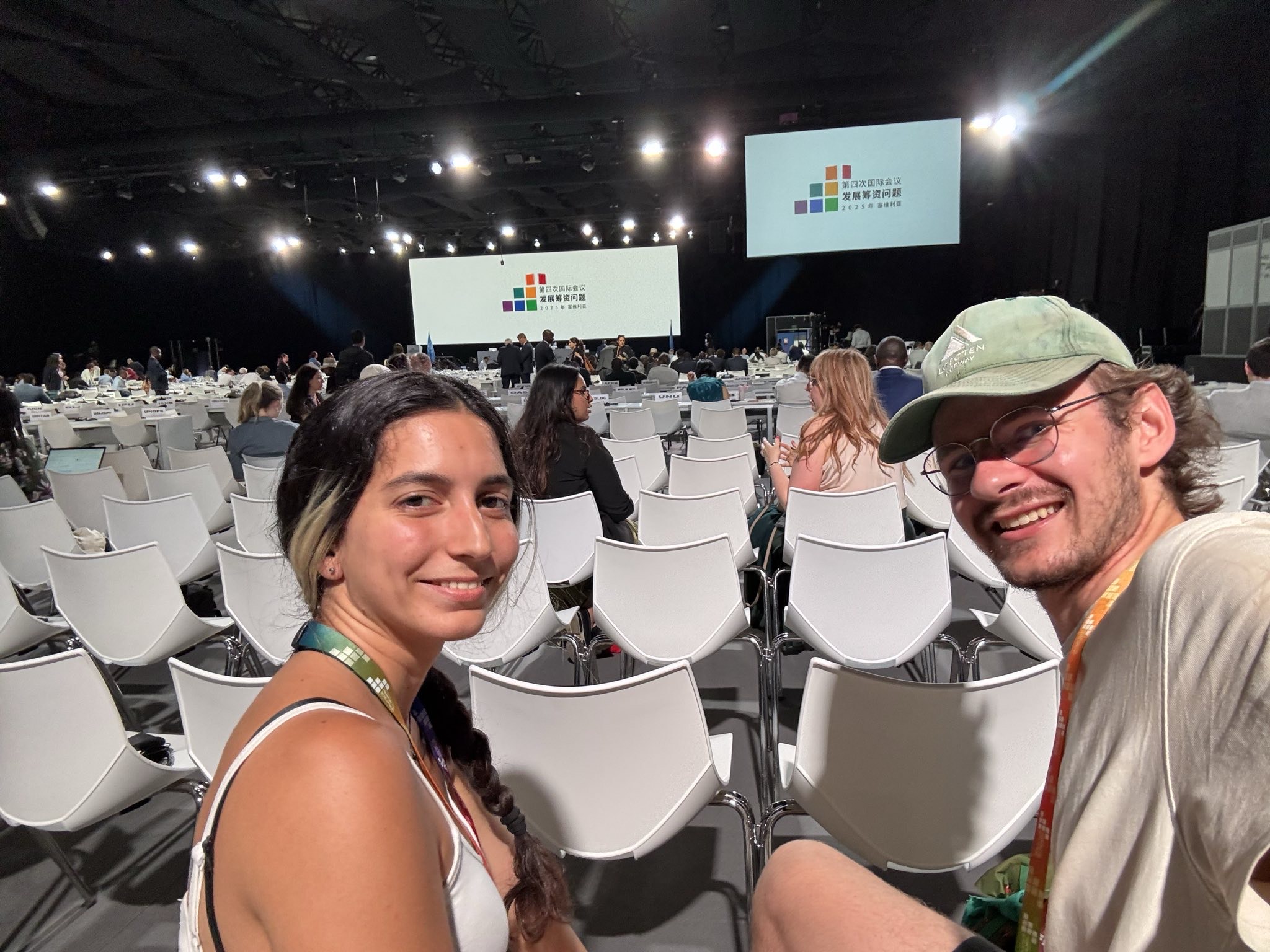
The Fourth International Conference on Financing for Development (FFD4) took place in Seville, Spain, from 30 June to 3 July 2025 with Resilient40 Europe team in attendance. This high-level conference was a defining moment for setting political priorities around sustainable development and reaffirming global commitments to financing development and governing it effectively. Building on a consultative process that began in 2024, the conference had ambitious objectives: 1) closing the US $4 trillion annual SDG financing gap, leveraging innovative mechanisms such as debt relief, public-private capital mobilization, and multilateral bank reform; 2) advancing reform of the global financial architecture, including tax justice, climate finance, and fairer governance of international institutions; 3) translating political commitments into concrete actions through a set of high-impact, measurable initiatives.
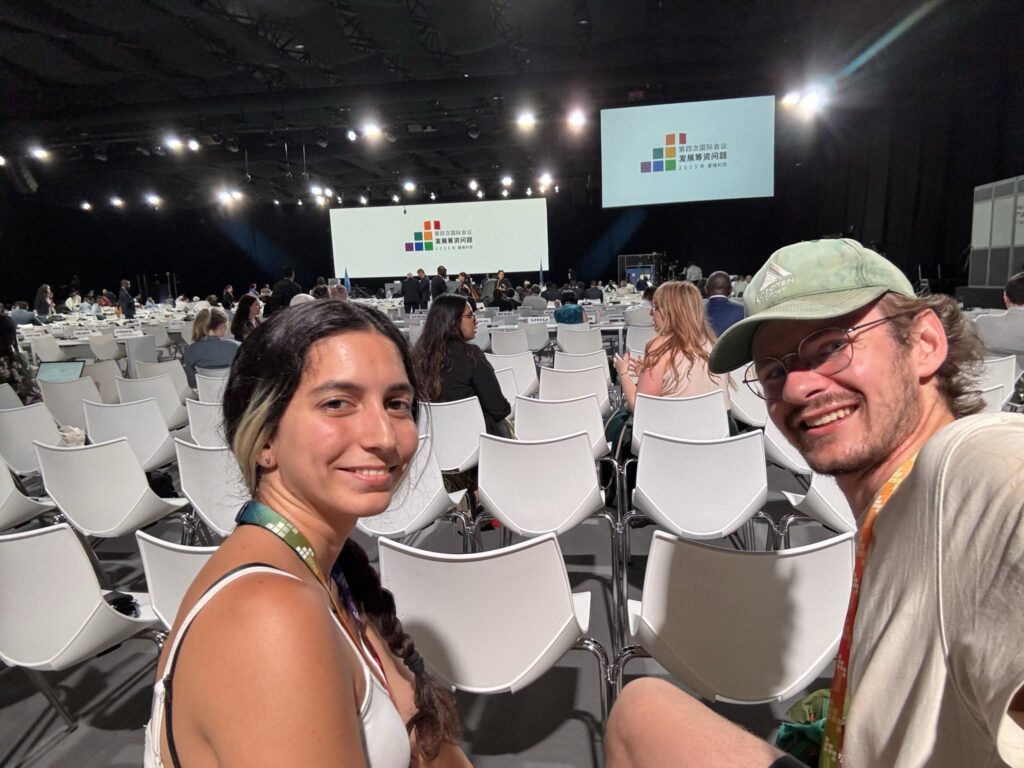
The key outcome was the “Sevilla Commitment,” adopted at the conference by participating governments. According to media reports, the conference gathered over 50 heads of state and hundreds of representatives from civil society, the private sector, and international organizations.
For anti-corruption civil society worldwide, the process leading to the Sevilla Commitment marked an opportunity to push for stronger language and action on corruption, kleptocracy, and illicit finance—especially at a time when global political will to tackle these issues is weakening, and development aid budgets are being cut in many donor countries.
The 42-page Sevilla Commitment, while broad in scope, drew mixed reactions from civil society.
Many organizations raised concerns that significant commitments had been diluted over the course of negotiations. A coalition of CSOs criticised the final text for failing to address the deep injustices of the global financial system, alleging active resistance from wealthier countries to more ambitious reforms.
However, other anti-corruption NGOs welcomed Important wins—such as the inclusion of commitments to establish a global beneficial ownership registry and a public database of country-by-country reporting—steps seen as necessary to enhance financial transparency.
In terms of process, civil society repeatedly flagged a lack of transparency and inclusivity in the run-up to and during the conference itself. Many CSOs reported difficulties accessing draft texts, participating in negotiation sessions, and providing input in a meaningful way.
Much will depend on how these commitments are translated into action through the Sevilla Platform for Action. This next phase offers an opportunity to develop more concrete and operational strategies. Active civil society engagement will be essential to ensure the platform includes the necessary resources, transparency safeguards, and people-centred approaches to make financing for development more effective and equitable.