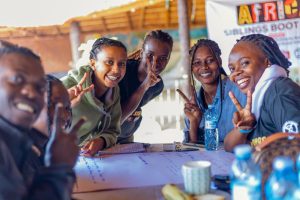
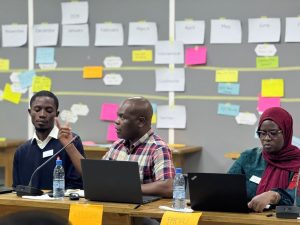
In a world desperately in need of sustainable solutions, the voices of the future are conspicuously absent from international climate negotiations. As the COP28 unfolds in Dubai, the stark underrepresentation of young people, especially from marginalized communities, is more apparent than ever. As the world looks to Dubai for decisive climate action, it is imperative to recognize the untapped potential of young voices. The COP summit must be a beacon of hope for all generations, a place where the collective power of diverse voices converges to shape policies that transcend political boundaries and safeguard the planet for generations to come. Three evident structural issues are apparent: demographic disparity, youth washing and the funding gap.
Confronting Demographic Disparity and the Issue of underrepresentation
The first step towards breaking the cycle of underrepresentation is acknowledging the stark demographic shift occurring globally. According to the United Nations, the global youth population accounts for around 16% per capita. By 2030, that number will grow by another seven percent.
The World Bank states in its report on the social dimensions that ‘Climate change is more than an environmental crisis – it is a social crisis and compels us to address issues of inequality on many levels: between wealthy and poor countries; between rich and poor within countries; between men and women, and between generations.’
Decision-makers must recognize that the youth, being the most affected by climate change, deserve a prominent seat at the table. Governments and international bodies should commit to quotas ensuring a minimum percentage of youth representation in official delegations, ensuring their perspectives are integral to shaping climate policies.
Young people, particularly those from Africa (e.g. youth population in Uganda accounts for 78% below the age of 35) and other regions grappling with the immediate impacts of climate change, find themselves on the fringes of decision-making. Their absence in key discussions about their future is not only a disservice to them but jeopardizes the effectiveness of climate policies.
The disinterest of young people in engaging with political decision-making is not apathy but a direct consequence of feeling unheard and undervalued. Youth washing perpetuates a cycle of disillusionment, pushing young activists away from formal political channels. By showcasing the gap between the promises of inclusion and the reality of exclusion, we need to draw attention to the urgent need for systemic change.
Demographic shifts have painted the global population with a youthful ‘brush’. To counteract this, there’s a pressing need for affirmative action in political spheres. Governments worldwide should commit to comprehensive youth inclusion strategies, including potential solution mechanisms such as setting quotas for young representatives in parliaments and other decision-making bodies.
To underline this problematic development in Africa, Europe and globally, ‘Almost half the world’s population is under 30. Yet, they make up only 2.6% of parliamentarians around the world from which less than 1% are women.
Beyond Illusions: The Hidden Impact of Youth washing
In the arena of global climate negotiations, the absence of youthful voices poses a significant threat to the effectiveness and inclusivity of our collective response to the climate crisis. To dismantle this façade, there must be transparency in the selection processes of youth representatives at climate summits. Governments and organizations should publish clear criteria for selecting youth representatives, ensuring that these processes are free from tokenism and genuinely empower those with the expertise and passion to effect change.
Youth washing, a term gaining traction in climate activism circles, refers to the superficial inclusion of young voices without genuine power or influence. It manifests as a box-ticking exercise, where youth representatives are present in photo ops and side events but are often excluded from substantive discussions and decision-making processes such as seen in past youth events at the G20, the G7 or bilateral summits between the EU and the ASEAN region or the EU-Africa Summit.
Youth washing, often masked as a concern for inexperience, is a major roadblock. The argument that the youth lack the necessary experience to contribute effectively to decision-making is flawed. In reality, the youth contribute fresh perspectives, innovative solutions, and an urgent commitment to addressing the challenges of today regarding democratic resilience, climate action or social inequalities. Denying them a seat at the table only perpetuates an outdated narrative that hinders progress.
Bridging the Funding Gap
One of the critical hurdles is the lack of funding for youth organizations to participate in international climate negotiations. Governments and international bodies should allocate specific funds to support these organizations, ensuring that diverse voices from different backgrounds can contribute meaningfully to discussions. To amplify the voices of the youth, funding must cease to be a bottleneck. Governments and international organizations should earmark specific budgets to support youth-led initiatives and organizations. This financial commitment would enable young activists from diverse backgrounds to participate in international climate negotiations, ensuring a more comprehensive representation that reflects the complexity of the global youth demographic. Mentorship programs, workshops, and training sessions should be established to equip young activists with the necessary skills to engage effectively in political decision-making. This investment not only empowers the youth but also strengthens the overall resilience and sustainability of the climate movement.
Conclusion
In the complex landscape of global governance, the underrepresentation of young people in political decision-making processes remains a critical challenge. As we envision a future where the voices of the youth resonate through the channels of political power, these recommendations serve as a roadmap to dismantle barriers and forge a more inclusive path. By acknowledging demographic changes, providing adequate funding, and fostering genuine inclusion, we can break the shackles of youth washing, ensuring that COP and other climate summits become stages where the diverse representation of voices shapes a sustainable and resilient future for all. The time to empower tomorrow’s leaders is now.
When they perceive their voices are merely token gestures rather than substantive contributions, apathy naturally sets in. The disconnection from decision-making processes not only alienates the youth but also jeopardizes the vibrancy of democratic systems by stifling the diversity of thought necessary for progress.
Now, more than ever, we need to create spaces to host equitable discussions about the climate crisis, how it affects us and the actions we need to take to tackle it. Selective individualism and actions vividly displayed at COP28 won’t solve the climate crisis, but by coming together as an equal inclusive community, find comfort in our shared experiences, learn from different perspectives and model the world we wish to create and thrive in. This will amplify vulnerable global south Youth voices at the COPs and provide the space and platform to highlight challenges, opportunities and responses to climate change.
Embracing the profound perspectives of youth holds the potential for transformative change, unleashing the unfiltered narratives of the global youth is our responsibility to authentically listen, free from bias and expert interference. Protecting this source of information and emotion is not just crucial; it is the cornerstone of empowerment. Enabling tomorrow’s leaders to actively influence the policies that will shape our collective future becomes reality when we sincerely lend an open heart and genuine interest to the voices of our future leaders.