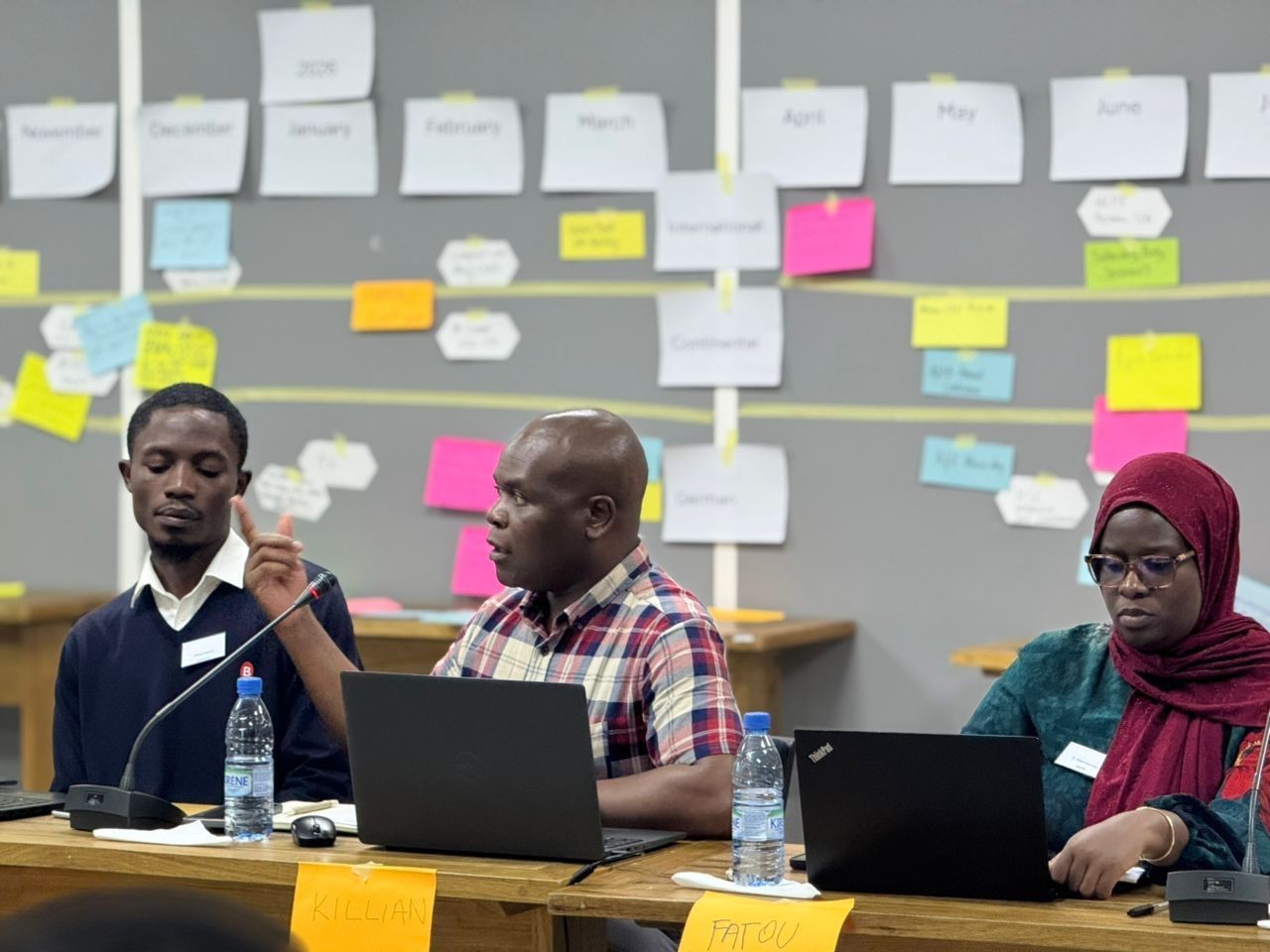
Africa stands at a defining moment for its food systems. Young people are not only the largest stakeholders in Africa’s food future; they are also the most dynamic drivers of change. If Africa is to achieve resilient, equitable and sustainable food systems, youth must be placed at the heart of governance.
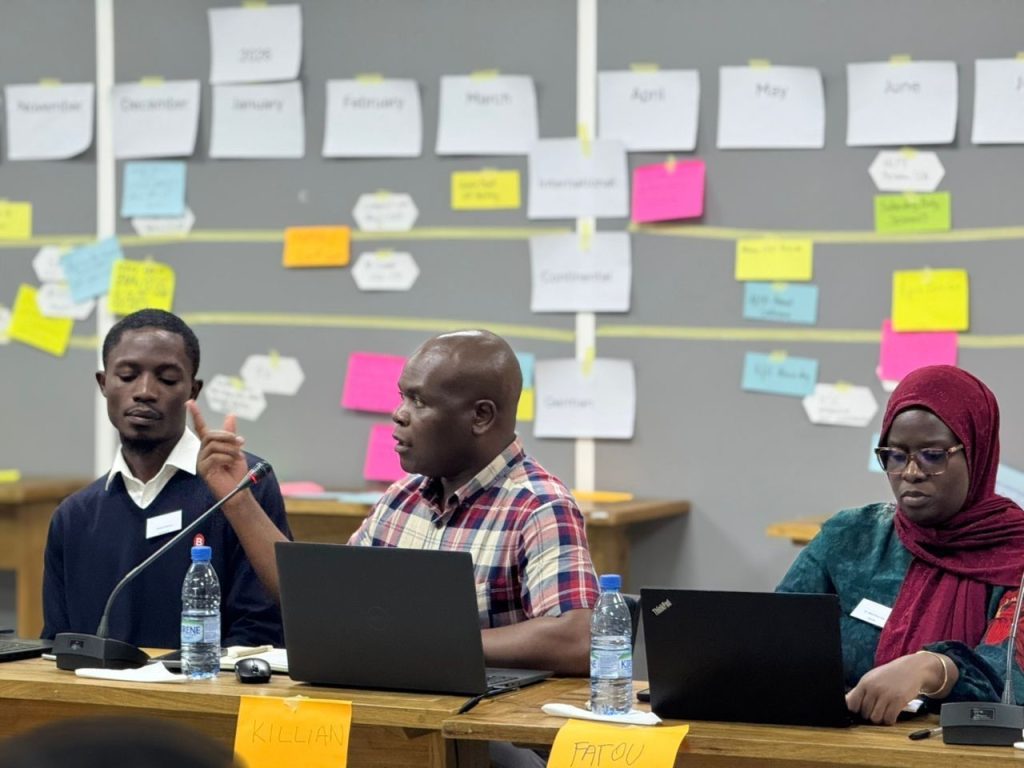
Youth bring innovation, energy and adaptability to a sector that faces mounting pressures from climate change, land degradation, economic shocks and rapid urbanization. From pioneering agritech solutions and digital platforms that connect farmers to markets, to leading climate-smart and agroecological practices, young Africans are already demonstrating their capacity to transform food systems from the ground up. But innovation cannot thrive in a vacuum, it requires enabling policies, supportive institutions and inclusive governance structures that recognize and elevate youth as decision-makers, not just beneficiaries.
Barriers to youth participation remain significant: insecure land rights, limited access to finance, exclusion from formal policy spaces and lack of tailored capacity-building programs. These structural obstacles are compounded by inequities of gender, geography and class, leaving rural, indigenous and marginalized youth at particular risk of exclusion. Overcoming these barriers requires governance systems that are transparent, democratic and anchored in human rights especially the right to food, water, land and livelihood.
Placing youth at the heart of governance is not optional; it is essential for the legitimacy, sustainability and resilience of Africa’s food systems. The intergenerational transition currently underway demands that today’s policies reflect tomorrow’s realities.
By embedding youth in governance, Africa can build food systems that are not only more productive and equitable, but also more just, climate-resilient and future-proof.
The role of youth in Africa’s food systems is not peripheral; it is pivotal. Investing in and empowering young people as leaders in governance today will determine whether the continent’s food systems can meet the challenges of tomorrow.